
Introduction
Dry needling and cupping therapy are effective physiotherapy techniques used to relieve pain, reduce muscle stiffness, and promote healing in affected tissues. These therapies are increasingly popular due to their non-invasive nature and ability to provide fast, targeted relief.
Both techniques focus on improving circulation, relaxing tight muscles, and stimulating the body’s natural healing processes. When combined with exercise and other physiotherapy treatments, they can significantly enhance recovery from musculoskeletal pain, sports injuries, and chronic tension.
Pain & Muscle Stiffness Reduction
Dry needling involves inserting thin, sterile needles into tight muscles, known as trigger points. This stimulates the muscle to release tension, reduces spasms, and alleviates pain. It is particularly effective for neck pain, back pain, shoulder stiffness, and sports-related muscle injuries.
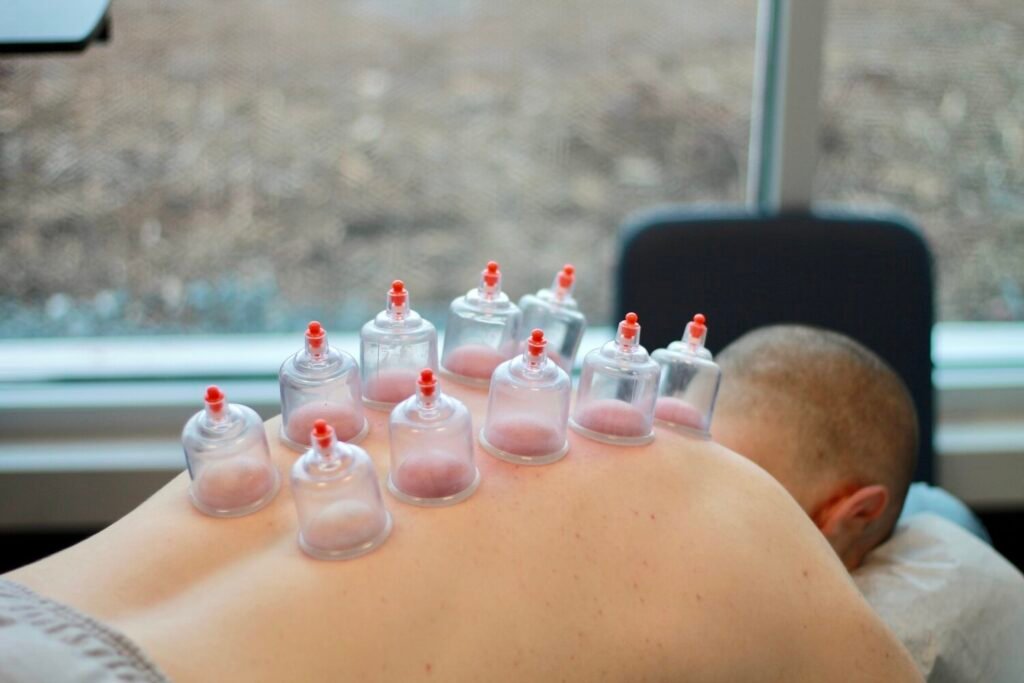
Cupping therapy, on the other hand, uses suction cups applied to the skin to lift tissues and release tightness. This creates a gentle stretch in the muscles, loosens adhesions, and eases stiffness. It is often used for chronic muscle tension, upper back pain, and postural stress.
Both therapies work to restore normal muscle function and improve flexibility, helping patients move more comfortably and with less discomfort.
Improves Blood Flow & Tissue Healing
One of the major benefits of dry needling and cupping therapy is their ability to enhance blood circulation in the treated areas. Improved blood flow delivers oxygen and nutrients to muscles and tissues, accelerating the healing process.
Dry needling also stimulates the nervous system, promoting natural pain relief and faster recovery from injuries. Cupping creates temporary suction on the skin, which increases local circulation, reduces inflammation, and helps remove metabolic waste from the tissues.
These effects make both therapies highly effective for post-injury rehabilitation, recovery from overuse injuries, and management of chronic pain conditions. When combined with physiotherapy exercises, patients experience faster functional improvement and reduced discomfort.
Conclusion
Dry needling and cupping therapy are powerful tools in modern physiotherapy for relieving pain, reducing muscle stiffness, and promoting tissue healing. Whether you are dealing with chronic pain, recovering from a sports injury, or experiencing tension from daily activities, these therapies provide safe, effective, and targeted relief.
Combined with exercises and other physiotherapy treatments, dry needling and cupping help patients regain mobility, reduce discomfort, and recover faster, making them valuable techniques in pain management and overall physical wellness.