
Introduction
Electrotherapy is a modern physiotherapy treatment that uses controlled electrical energy to reduce pain, improve muscle function, and speed up recovery. It is a safe, non-invasive technique that has become an important part of physiotherapy care for many conditions like chronic pain, muscle weakness, nerve injuries, and joint stiffness.
By sending mild electrical impulses to the affected area, electrotherapy helps improve blood circulation, relax muscles, and stimulate natural healing. Different types of electrotherapy are used depending on the patient’s condition and treatment goals. Let’s look at some of the most effective and commonly used electrotherapy techniques.
TENS (Transcutaneous Electrical Nerve Stimulation)
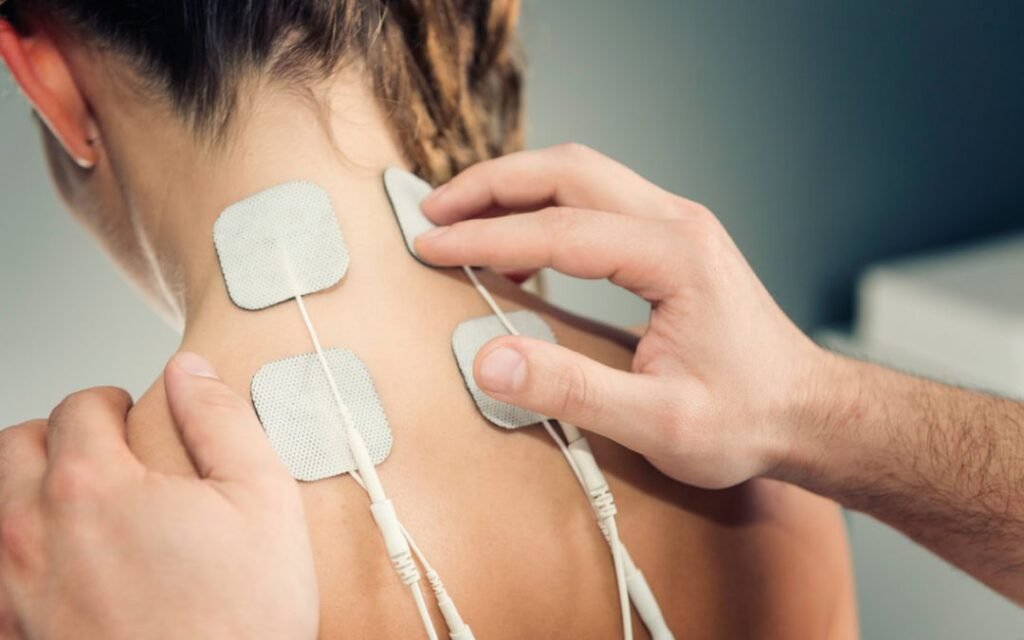
TENS therapy is one of the most popular and widely used forms of electrotherapy. It delivers gentle electrical impulses through electrodes placed on the skin. These impulses block pain signals from reaching the brain and trigger the release of endorphins — the body’s natural painkillers.
TENS is especially effective for treating chronic pain, arthritis, sciatica, neck and back pain, and post-surgical discomfort. It provides drug-free pain relief and can even be used safely at home under a therapist’s guidance.
The treatment is completely painless and relaxing, often described as a mild tingling sensation. Regular TENS therapy sessions can significantly improve mobility and overall quality of life.
IFT (Interferential Therapy)
Interferential Therapy (IFT) uses medium-frequency electrical currents that penetrate deep into the tissues. The intersecting electrical currents create a therapeutic effect, helping reduce pain, swelling, and inflammation while improving blood flow and healing.
IFT is particularly effective for muscle spasms, joint pain, ligament injuries, and post-fracture stiffness. The therapy enhances cell activity and promotes faster tissue repair.
Because IFT reaches deeper than traditional electrical treatments, it is often chosen for patients who need relief from deep-seated pain or chronic musculoskeletal conditions. It’s safe, comfortable, and very effective when combined with exercises and manual therapy.
Ultrasound Therapy
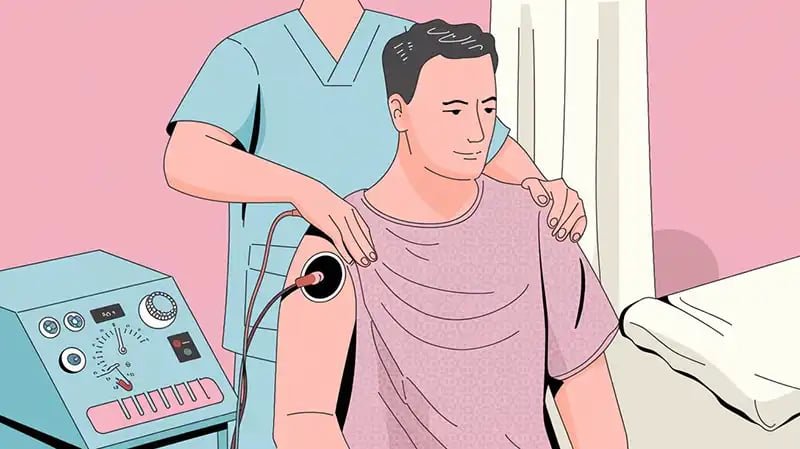
Ultrasound therapy uses high-frequency sound waves to treat soft tissue injuries and inflammation. It helps in reducing pain, relaxing muscles, and promoting tissue regeneration.
The ultrasound machine produces gentle vibrations that create heat inside the tissues, increasing blood circulation and speeding up the healing process. It is often used for tendonitis, muscle strains, ligament tears, and scar tissue management.
The therapy is completely painless and helps reduce stiffness, swelling, and chronic inflammation effectively. Regular ultrasound sessions can restore mobility and flexibility in the affected area.
Muscle Stimulation (NMES, FES)
Neuromuscular Electrical Stimulation (NMES) and Functional Electrical Stimulation (FES) are electrotherapy techniques used to activate weak or paralyzed muscles. These therapies send controlled electrical impulses that cause muscles to contract, helping maintain strength and prevent muscle wasting.
They are especially helpful for patients recovering from stroke, spinal cord injury, or nerve damage. By improving muscle tone and coordination, NMES and FES assist in movement retraining and functional recovery.
These therapies are safe, comfortable, and play a vital role in long-term rehabilitation.
Conclusion
Electrotherapy is a powerful and effective treatment method that complements manual physiotherapy. Whether it’s relieving pain, improving circulation, or restoring muscle function, electrotherapy provides fast and lasting benefits.
From TENS and IFT to ultrasound and muscle stimulation, these advanced techniques help patients recover naturally without medication or surgery.
With expert guidance from a trained physiotherapist, electrotherapy can make recovery faster, movement easier, and life more comfortable — one gentle pulse at a time.