
Introduction
Geriatric physiotherapy, also known as elderly physiotherapy, focuses on improving the physical health, mobility, and independence of older adults. As people age, they often face challenges such as muscle weakness, joint stiffness, balance issues, and chronic pain. These problems can limit daily activities and increase the risk of falls and injuries.
Physiotherapy provides a safe and effective way for seniors to stay active, manage pain, and maintain a better quality of life. Through customized exercises, gentle movements, and balance training, geriatric physiotherapists help elderly individuals stay strong, confident, and independent in their golden years.
Let’s look at some key areas where geriatric physiotherapy makes a significant difference.
Fall Prevention Programs
Falls are one of the most common causes of injuries among older adults. They can lead to fractures, hospitalization, and a loss of confidence in movement. Geriatric physiotherapists design fall prevention programs that focus on improving balance, coordination, and strength.
These programs include simple exercises like standing on one leg, walking on uneven surfaces, and strengthening the leg and core muscles. Physiotherapists also teach safe walking techniques and recommend supportive devices like canes or walkers when needed.
In addition, they assess home environments and suggest changes such as removing loose rugs, improving lighting, or adding handrails to prevent accidents. Through consistent practice, seniors not only gain better stability but also feel more secure in their movements — reducing the fear of falling.

Joint Mobility Improvement
With aging, joints naturally lose flexibility due to wear and tear, arthritis, or reduced physical activity. Stiff joints can make simple tasks like bending, reaching, or walking uncomfortable. Geriatric physiotherapy focuses on improving joint mobility through gentle stretching, range-of-motion exercises, and strengthening routines.
For example, exercises for the knees, hips, shoulders, and hands are performed slowly and safely to restore flexibility. Heat therapy and manual therapy techniques are also used to relax stiff muscles and ease joint discomfort.
By improving joint mobility, seniors can move more freely, perform daily activities with ease, and enjoy a better sense of independence. Maintaining joint health is crucial for staying active and preventing long-term disability.
Post-Surgery Recovery
After surgeries such as knee replacement, hip replacement, or spinal surgery, physiotherapy plays a vital role in recovery. Elderly patients often need guided exercises and rehabilitation to regain strength, balance, and movement safely.
Post-surgery physiotherapy begins with gentle, pain-free exercises to reduce stiffness and swelling. As healing progresses, more active movements and strengthening exercises are added to restore function. Walking training, balance activities, and breathing exercises are also included to improve overall recovery.
A physiotherapist monitors progress carefully to ensure the exercises are safe and effective. With consistent therapy, seniors recover faster, prevent complications, and return to their normal routines confidently.
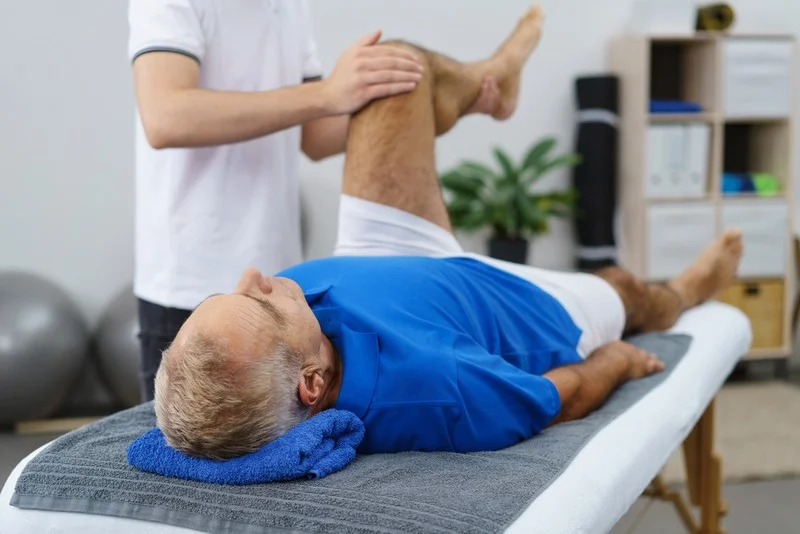
Pain & Stiffness Management
Chronic pain and stiffness are common in older adults, especially due to conditions like arthritis, osteoporosis, or muscle tightness. Geriatric physiotherapists use various techniques to manage these issues, including manual therapy, heat or cold treatment, electrotherapy, and targeted exercises.
Gentle movement and stretching help reduce stiffness and increase blood circulation, which promotes natural healing. Relaxation techniques and posture correction also play a key role in long-term pain relief.
Unlike painkillers, physiotherapy provides a natural way to manage discomfort and maintain mobility without side effects. Regular sessions help reduce pain, improve strength, and boost overall energy and mood in elderly individuals.
Conclusion
Geriatric physiotherapy is more than just exercise — it’s about helping seniors live a healthier, more independent life. Through fall prevention, joint mobility improvement, post-surgery rehabilitation, and pain management, physiotherapy empowers elderly individuals to stay active and confident.
It not only improves physical strength and flexibility but also enhances emotional well-being and quality of life. Aging may bring challenges, but with the right physiotherapy care, seniors can continue to move comfortably, enjoy daily activities, and live life to the fullest.