
Introduction
ICU and critical care physiotherapy is a specialized branch of physiotherapy aimed at helping patients recover from severe illnesses, surgeries, or prolonged hospitalization. Patients in the Intensive Care Unit (ICU) often experience muscle weakness, reduced lung function, and limited mobility due to extended bed rest and critical medical conditions.
Physiotherapy in critical care is essential to restore physical function, improve respiratory health, and support overall recovery. These interventions are tailored to each patient’s medical condition and help reduce complications associated with long-term ICU stays.
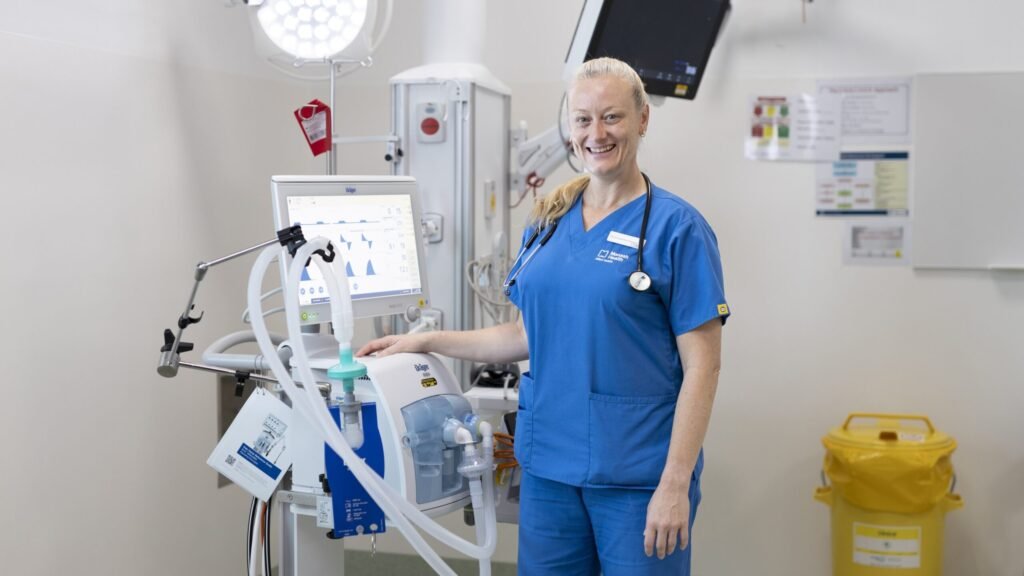
For Hospitalized or Post-ICU Patients
Hospitalized or post-ICU patients often face muscle atrophy, joint stiffness, and reduced endurance due to immobility. ICU physiotherapists provide early intervention through bedside exercises, passive movements, and positioning techniques to prevent complications such as pressure sores and contractures.
By focusing on gentle, progressive exercises, physiotherapists help patients gradually regain strength, coordination, and independence. Early physiotherapy also supports faster discharge and smoother transition from hospital to home care.
Breathing & Mobility Recovery Support
A major component of critical care physiotherapy is respiratory rehabilitation. Prolonged mechanical ventilation or lung infections can weaken the respiratory muscles, leading to difficulty in breathing. Physiotherapists use breathing exercises, chest physiotherapy, and airway clearance techniques to improve lung function, oxygenation, and overall respiratory health.
Mobility recovery is equally important. ICU physiotherapy incorporates assisted sitting, standing, and walking exercises to rebuild muscle strength and improve circulation. These exercises are gradually increased in intensity as the patient regains energy and stability, helping them return to normal daily activities safely.
Conclusion
ICU and critical care physiotherapy is vital for patients recovering from severe illnesses or prolonged hospitalization. By providing targeted breathing support and mobility rehabilitation, physiotherapists help reduce complications, rebuild strength, and restore independence.
Early and consistent physiotherapy in critical care ensures faster recovery, improved lung function, and better overall quality of life for patients. It transforms the recovery process, allowing post-ICU patients to regain confidence and return to daily life safely and effectively.