Introduction
Cardio-respiratory physiotherapy is a specialized branch of physiotherapy that focuses on improving the health and function of the heart and lungs. It plays a vital role in helping patients recover from respiratory diseases, heart conditions, or surgeries that affect breathing and endurance.
Through guided breathing techniques, exercises, and chest therapy, cardio-respiratory physiotherapy helps patients breathe more efficiently, increase lung capacity, and improve overall stamina. It is especially beneficial for people recovering from COVID-19, asthma, COPD, or heart attacks.
Let’s explore the main areas where cardio-respiratory physiotherapy can make a remarkable difference in health and recovery.
Post-COVID Rehabilitation
After recovering from COVID-19, many people continue to experience fatigue, breathlessness, weakness, and reduced lung function. Post-COVID rehabilitation through physiotherapy helps restore normal breathing patterns and rebuild strength.
Physiotherapists guide patients through breathing exercises, chest expansion techniques, and gradual endurance training to enhance oxygen intake and lung efficiency. They also focus on posture correction to make breathing easier and reduce chest tightness.
In addition, gentle walking, stretching, and strengthening exercises are introduced to improve stamina and daily activity levels. Regular post-COVID physiotherapy not only speeds up recovery but also helps prevent long-term respiratory complications, ensuring patients return to a healthy and active lifestyle.
Chest Physiotherapy
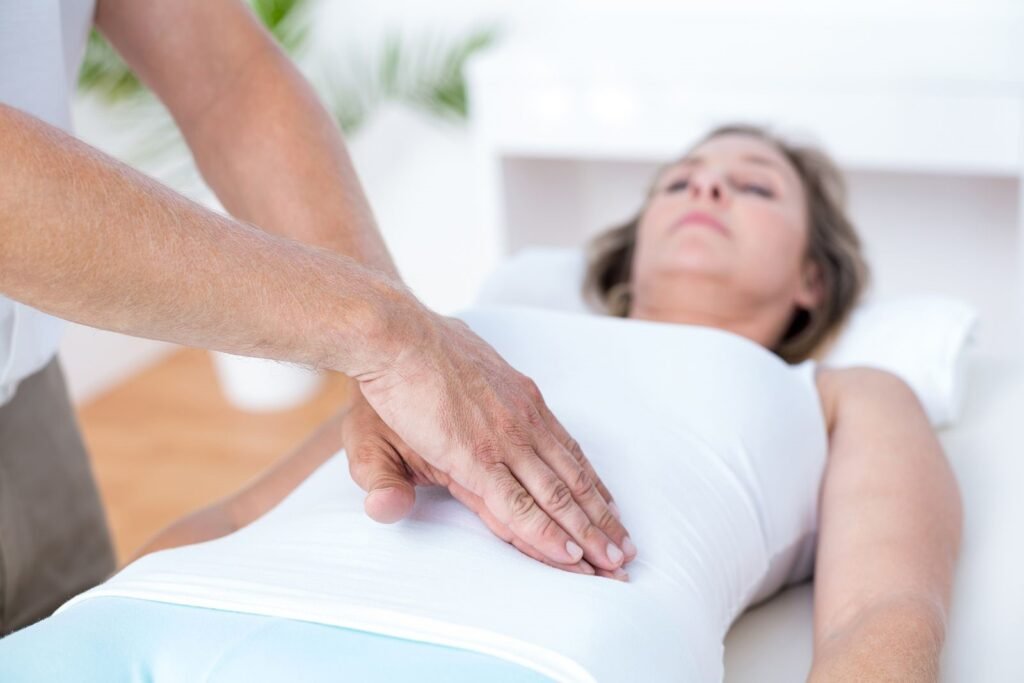
Chest physiotherapy is one of the most important parts of cardio-respiratory care. It involves specific manual techniques and breathing exercises to help clear mucus or phlegm from the lungs, making breathing easier and more effective.
Techniques like percussion (clapping on the chest), vibration, and postural drainage are commonly used to loosen mucus in the airways. Patients are then guided to perform deep breathing and coughing techniques to expel the mucus.
Chest physiotherapy is especially useful for people with lung infections, pneumonia, bronchitis, cystic fibrosis, or after long hospital stays. It helps improve lung function, oxygen levels, and overall breathing comfort.
Regular sessions make breathing smoother, reduce infection risks, and enhance lung capacity for daily activities.
COPD & Asthma Breathing Exercises
Chronic respiratory diseases like COPD (Chronic Obstructive Pulmonary Disease) and asthma can make breathing difficult and tiring. Physiotherapy offers effective breathing exercises that help control symptoms and improve quality of life.
One commonly used technique is pursed-lip breathing, where patients inhale through the nose and exhale slowly through pursed lips to improve oxygen exchange. Another is diaphragmatic (belly) breathing, which strengthens the main breathing muscle and reduces breathlessness.
Physiotherapists also teach relaxation and posture correction to make breathing easier during flare-ups. Regular practice of these exercises can reduce dependence on inhalers, improve endurance, and allow patients to stay active without fear of shortness of breath.
With continuous care, patients with COPD and asthma can breathe more comfortably and participate in daily life with greater confidence.
Cardiac Rehab After Surgery or Heart Attack
After a heart attack, bypass surgery, or angioplasty, patients often feel weak and anxious about physical activity. Cardiac rehabilitation through physiotherapy helps them recover safely and regain strength.
The rehabilitation process starts with gentle exercises such as walking, breathing techniques, and light stretching to improve blood circulation and heart function. Over time, intensity is gradually increased under the physiotherapist’s supervision to rebuild endurance and confidence.
Physiotherapists also educate patients on lifestyle changes like healthy eating, stress management, and safe exercise routines to prevent future heart problems.
With consistent therapy, cardiac rehabilitation improves energy levels, reduces recovery time, and helps patients return to daily life and work with a healthier heart.
Conclusion
Cardio-respiratory physiotherapy is a life-changing therapy that helps people recover from heart and lung diseases, regain strength, and live more actively. From post-COVID recovery to cardiac rehabilitation, every program is designed to restore natural breathing, improve endurance, and boost overall health.
Through guided exercises, proper breathing techniques, and consistent care, patients experience better heart and lung performance without relying heavily on medications.
Whether you’re healing from illness, surgery, or simply aiming to improve your fitness, cardio-respiratory physiotherapy offers a safe and natural path toward stronger lungs, a healthier heart, and a better quality of life.