
Introduction
Pediatric physiotherapy focuses on helping children develop proper movement, balance, coordination, and physical strength as they grow. It is designed for babies, toddlers, and young children who have difficulties with movement, posture, or overall physical development due to various medical or developmental conditions.
Children’s bodies are still growing, and early support can make a big difference. Pediatric physiotherapists use fun, play-based exercises and specialized techniques to help children reach important milestones like crawling, walking, jumping, and playing confidently.
The main goal of pediatric physiotherapy is to improve a child’s independence, build confidence, and enhance their quality of life. Let’s explore some of the key areas where it makes a real difference.
Developmental Delay Management
Some children may take longer to achieve physical milestones such as sitting, crawling, or walking. These delays can occur due to prematurity, muscle weakness, neurological conditions, or lack of coordination. Pediatric physiotherapists assess the child’s movement skills and design a personalized program to encourage progress.
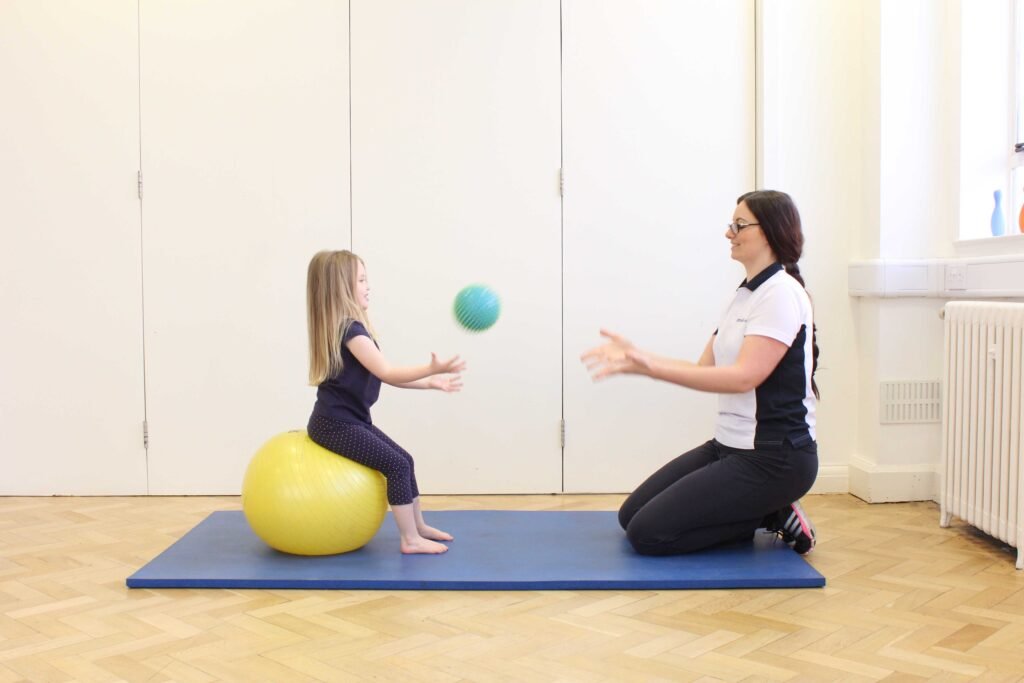
Through guided play and gentle exercises, therapists help children strengthen their muscles, improve balance, and develop better body awareness. Activities like ball play, crawling paths, and balance games make therapy engaging and enjoyable.
The earlier therapy begins, the better the results. Consistent sessions not only improve physical development but also boost the child’s confidence and ability to interact with their surroundings.
Cerebral Palsy Therapy
Cerebral palsy (CP) is one of the most common conditions treated in pediatric physiotherapy. It affects muscle tone, movement, and coordination due to early brain injury or developmental issues. Every child with CP is different, so physiotherapists create individualized therapy plans to address specific needs.
Treatment often includes stretching exercises to reduce muscle stiffness, strengthening activities to improve control, and positioning techniques to encourage proper posture. Tools like therapy balls, walkers, and supportive seating may be used to enhance mobility.
Pediatric physiotherapy helps children with cerebral palsy gain more independence in everyday activities such as standing, walking, or using their hands. It also prevents complications like joint contractures and promotes better comfort and confidence in daily life.
Postural & Motor Control Training
Good posture and motor control are essential for all children, especially those with coordination or muscle tone issues. Poor posture can affect breathing, balance, and even learning ability. Physiotherapists focus on core stability, balance training, and movement control to help children maintain proper posture and improve coordination.
Sessions include exercises that strengthen the back, abdomen, and leg muscles while promoting smooth, controlled movements. For example, activities like climbing, reaching, or balancing on a soft mat are used to develop stability and coordination.
With regular postural and motor training, children become more confident in their movements, sit and stand more comfortably, and participate better in school and play.
Sensory Integration Therapy
Many children face challenges processing sensory information such as touch, sound, or movement. This can affect how they respond to their environment, leading to clumsiness, anxiety, or difficulty focusing. Sensory integration therapyhelps children learn how to respond appropriately to different sensations.
Physiotherapists use specially designed play-based activities that stimulate the senses. These may include swinging, jumping, balancing, or playing with textured objects. The goal is to help the child’s brain and body work together more effectively.
Through sensory therapy, children improve attention, coordination, and emotional control. It also helps them feel calmer and more confident during daily activities like dressing, writing, or playing with peers.
Conclusion
Pediatric physiotherapy is a gentle and effective way to support children’s growth and movement. Whether a child has developmental delays, cerebral palsy, posture problems, or sensory challenges, physiotherapy helps them gain strength, control, and confidence.
By using fun, play-based methods, pediatric physiotherapists make therapy enjoyable while achieving remarkable progress. Early intervention and consistent care can transform a child’s ability to move, learn, and participate fully in life.
Every child deserves the chance to grow freely and move with confidence — and pediatric physiotherapy makes that possible.