
Introduction
Sports physiotherapy is a specialized branch of physiotherapy that focuses on preventing, treating, and managing injuries related to sports and physical activities. Whether you’re a professional athlete, a weekend runner, or a gym enthusiast, your body undergoes intense physical stress during training and competition. This can sometimes lead to muscle strains, joint injuries, or overuse problems.
Sports physiotherapy helps you recover quickly, regain full function, and return to your sport safely. It also plays a major role in improving athletic performance by enhancing flexibility, strength, balance, and endurance. A good sports physiotherapist not only treats injuries but also helps you prevent them — keeping you active and strong throughout your sporting journey.
Let’s look at the main areas where sports physiotherapy makes a big difference.
Sports Injury Prevention & Treatment
One of the main goals of sports physiotherapy is injury prevention. Athletes often push their bodies to the limit, and without proper care, this can result in injuries like sprains, strains, fractures, or dislocations. Sports physiotherapists assess your body’s movement patterns, muscle strength, and flexibility to identify weak areas that could lead to injuries.
They then design a personalized injury prevention program that includes stretching, strengthening, and conditioning exercises. Warm-up routines, proper technique correction, and post-training recovery plans are also key parts of prevention.
When an injury does occur, physiotherapists provide immediate and effective treatment. Depending on the injury, they may use manual therapy, ice or heat application, ultrasound therapy, or electrotherapy to reduce pain and inflammation. Rehabilitation exercises are then gradually introduced to restore movement and strength.
Whether it’s a mild ankle sprain or a severe muscle tear, the goal of sports physiotherapy is to ensure complete recovery without future risk of re-injury.
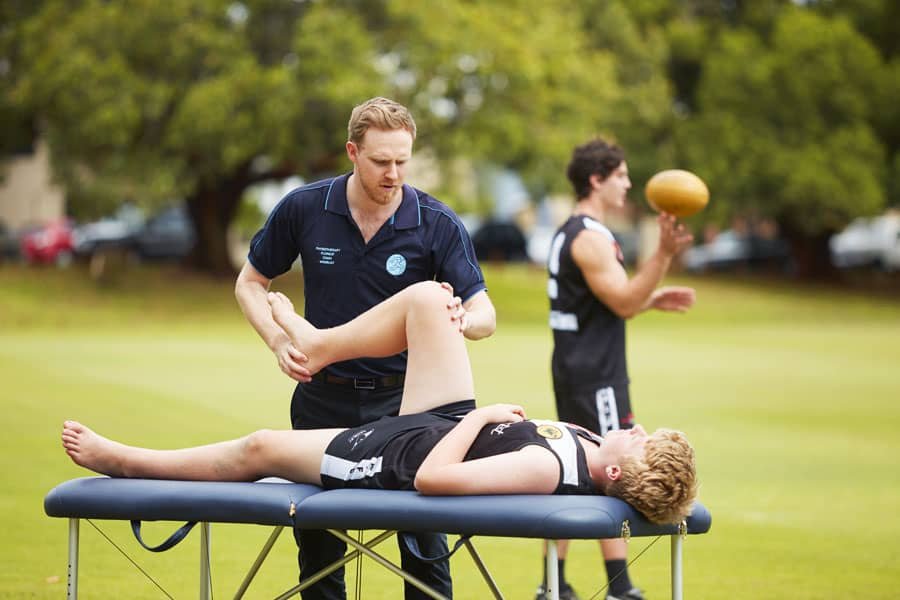
Muscle Strain & Ligament Tear Rehabilitation
Muscle strains and ligament tears are among the most common sports injuries. They usually occur when the muscle or ligament is overstretched or torn due to sudden movements, collisions, or fatigue. These injuries can cause severe pain, swelling, and loss of mobility if not treated properly.
Sports physiotherapists play a crucial role in the rehabilitation process. Initially, rest and pain management are the focus — using ice therapy, compression, and gentle mobilization. As healing progresses, they introduce range-of-motion exercises, strengthening routines, and functional training to help rebuild muscle strength and flexibility.
For ligament injuries, such as an ACL (anterior cruciate ligament) tear in the knee, physiotherapy helps restore joint stability and control. Exercises are tailored to the athlete’s sport, ensuring they regain confidence and full functionality before returning to the field or gym.
Consistent physiotherapy sessions not only speed up recovery but also prevent long-term complications like stiffness or repeated injuries.
Taping & Strapping Techniques
Taping and strapping are important tools used by sports physiotherapists to protect joints and muscles during training or recovery. These techniques help support injured areas, reduce strain, and improve stability without limiting movement too much.
There are different types of tapes used in sports physiotherapy:
- Rigid tape provides firm support to prevent excessive movement.
- Elastic or kinesiology tape helps with muscle activation, circulation, and pain reduction.
For example, taping an ankle before a football game can prevent sprains, while applying kinesiology tape to the shoulder can help relieve muscle tension during recovery.
Sports physiotherapists are trained in advanced taping methods that ensure both comfort and performance. They apply tape strategically based on the athlete’s sport, body type, and injury condition.
Taping and strapping not only help in injury management but also boost confidence during physical activity, allowing athletes to move safely and perform at their best.
Strength & Endurance Training
Another essential part of sports physiotherapy is strength and endurance training. These programs are designed to enhance athletic performance and reduce the risk of injuries by improving muscle power, joint stability, and overall fitness.
Physiotherapists assess an athlete’s body mechanics and create tailored exercise plans that focus on the specific demands of their sport. For example, a sprinter may need explosive leg strength, while a swimmer might require shoulder endurance and flexibility.
Strength training usually includes resistance exercises, weight training, and core stabilization routines. Endurance training focuses on improving stamina through cardiovascular exercises, interval training, and functional drills.
By developing strength and endurance, athletes can perform longer, recover faster, and handle the physical stress of competition more efficiently. Physiotherapists also monitor progress to ensure that training intensity is safe and effective for each individual.
Conclusion
Sports physiotherapy is much more than just treating injuries — it’s about enhancing performance, preventing problems, and keeping the body strong and healthy. From injury prevention and muscle rehabilitation to taping and strength training, sports physiotherapists are an athlete’s best support system.
They help you recover faster, train smarter, and return to your sport with greater confidence. Whether you are a professional athlete or someone who loves staying active, sports physiotherapy ensures your body stays in top shape.
By investing in proper physiotherapy care, you’re not just healing from injuries — you’re building a foundation for better movement, endurance, and lifelong fitness.